










We conduct Puja (worship), Homa (sacrifice) and other similar religious rites as per the prescriptions in ancient scriptures. Therefore the importance of Sanskrit language in Pujas and Homas is immense. The ancient seers ( Rishis) are the originators of these spiritual traditions. They have given us the rulebooks on procedures and the specific mantras for each of these rites and rituals. Hence it’s fair that we conform to the routine of the rites and also the language. This creates a solemn and holy atmosphere. In this blog, we will look at Sanskrit language importance in pujas in the Hindu tradition.
Importance of Sanskrit Language in Rigveda
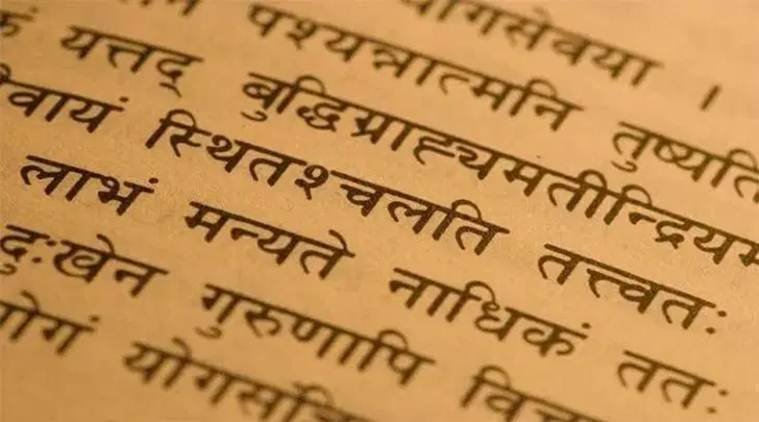
One of the most prominent reasons for the use of the Sanskrit language in pujas is its sources in Rig Veda. Some of the earliest texts and first written records of the Sanskrit language appear in Rigveda. We all know the position that Rig Veda holds in Hinduism. The ancient texts were a collection of Hindu hymns.
When you use translations, they only act as translations
The importance of Sanskrit language in chanting mantras is not unknown. Even during pujas in our house, we see the priests chanting mantras in Sanskrit. Again, according to the science of the Mantras, many Mantras used from the rites have special potency. When we pronounce and intone them correctly, they exert a salutary and healing influence on the minds of people who listen to them.
Thus, if we use the translations or versions in the spoken language, they will only be translations only and do not act as ‘Mantras’. This is the reason behind the importance of Sanskrit Language in pujas and Homas. However, my suggestion is that the priest can provide a general description of the rites and rituals before commencing the process. This way everyone understands the intent, setting, and process. In any religion across the world, religious rites and ceremonies are always conducted in the language of the original scriptures.